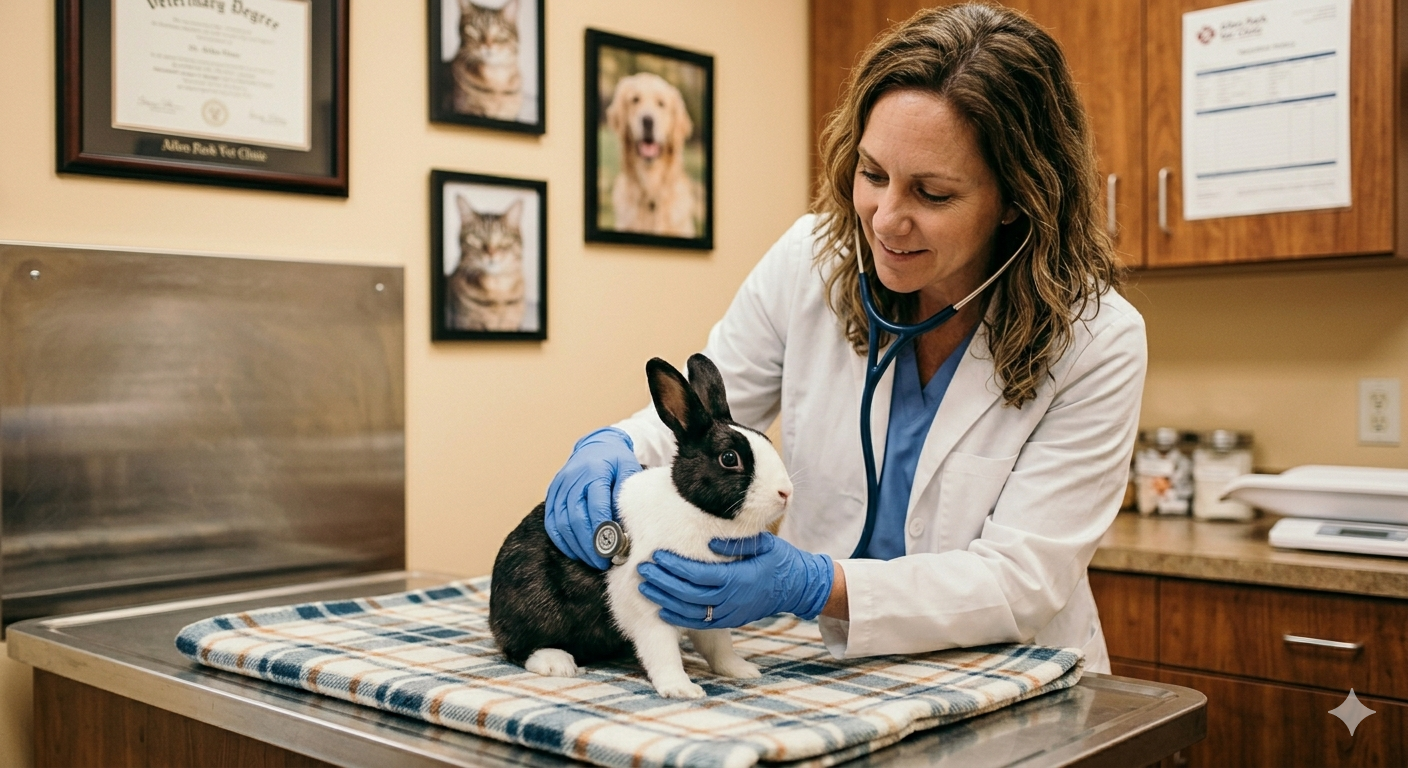
Rabbit Vet Care: Health Checks, Vaccinations, and What to Track
Rabbits are prey animals, which means they instinctively conceal illness until they cannot. A rabbit that appears healthy may have been unwell for some time. This makes regular vet check-ups more important, not less, because a rabbit presenting with obvious symptoms is often already significantly ill. Catching problems early through routine examination changes outcomes.
Rabbits also have specific veterinary needs that not all vets are trained to handle. The first step in rabbit health care is finding a vet with genuine exotic animal experience, specifically with lagomorphs.
Finding a rabbit-savvy vet
General small animal vets treat primarily dogs and cats. Some have experience with rabbits; many have minimal training in lagomorph medicine. The distinction matters because rabbit anatomy, drug sensitivities, anaesthesia protocols, and dental disease are significantly different from those of dogs and cats. A vet who is comfortable with dog dentals but unfamiliar with rabbit dentals can miss significant problems or provide incorrect treatment.
The House Rabbit Society maintains a vet directory that lists vets who have been recommended by rabbit owners and rescues in your area. Looking for vets who advertise exotic animal or exotic companion mammal experience is a reasonable filter. Calling ahead and asking how many rabbit patients they see per month gives you a sense of their familiarity.
Annual health checks
Rabbits should have a veterinary health check at least once a year, and twice a year from around age 5 onwards. At an annual check, a rabbit-savvy vet will:
- Examine teeth and molars (dental disease is the most common health issue in rabbits)
- Check weight and body condition
- Palpate the abdomen for any abnormalities
- Examine ears, eyes, and nails
- Discuss any changes in behavior, appetite, or litter box habits
- Assess gut health (GI stasis is a serious and common condition)
Changes in eating or litter box habits are always worth a vet call. A rabbit that has not eaten in 12 hours, is not producing cecotropes, or has dramatically reduced or enlarged fecal pellets may be developing GI stasis, which is a medical emergency in rabbits. Do not wait to see if they improve on their own.
Vaccinations
Rabbit vaccination availability varies significantly by country.
| Disease | Availability | Notes |
|---|---|---|
| RHDV2 (Rabbit Hemorrhagic Disease Virus 2) | USA: available in some states via USDA permit; widely available in UK, Europe, Australia | Highly contagious and fatal; spreads via contact, insects, and fomites. Vaccinate annually where available. |
| Myxomatosis | UK and Europe; not licensed in USA or Australia | Spread by biting insects; fatal in unvaccinated rabbits. Combined myxo/RHD vaccine used in UK. |
RHDV2 has been confirmed in multiple US states and has caused significant losses in wild rabbit populations. Domestic rabbits can be exposed through indirect contact: insects, shoes, clothing, or hay from affected areas. The USDA has issued conditional use authorizations for imported vaccines in high-risk states. Ask your exotic vet whether vaccination is available and recommended in your region.
Spay and neuter
Spaying is strongly recommended for female rabbits. Unspayed females have a very high lifetime risk of uterine adenocarcinoma (uterine cancer), with estimates of over 50% by age 4 in some studies. Spaying eliminates this risk entirely and is typically recommended between 4 and 6 months of age, or after the rabbit is fully mature.
Neutering males reduces territorial and hormonal behavior and eliminates the risk of testicular cancer. It is also recommended if a male and female rabbit are housed together.
Rabbit anaesthesia carries higher risk than for dogs and cats, but in the hands of an experienced exotic vet, spay and neuter are routine procedures. The risk of not spaying a female rabbit substantially outweighs the anaesthetic risk of the procedure.
Common health issues to watch for
| Condition | Signs | Action |
|---|---|---|
| GI stasis | Reduced or no fecal output, not eating, hunched posture, teeth grinding | Vet visit same day |
| Dental disease | Drooling, difficulty eating, weight loss, eye discharge | Vet examination and dental X-rays |
| Snuffles (Pasteurella) | Nasal discharge, sneezing, wet forepaws from wiping | Vet visit; antibiotics if indicated |
| Ear mites | Head shaking, scratching, debris in ears | Vet examination and treatment |
| Flystrike | Maggots on skin, particularly around the rear; typically in warm months | Emergency vet visit immediately |
What to record for your rabbit
- Date of birth (or estimated age) and breed
- Weight at each vet visit
- Vaccination dates and next due dates (where applicable)
- Spay or neuter date
- Any dental procedures with dates
- Medications: names, doses, and how they were tolerated
- Any GI episodes or other acute health events
- Diet changes and how they were tolerated
Keep your rabbit's health records in Pett
Log vet visits, vaccinations, and medications for your rabbit alongside any other pets. Free to download.