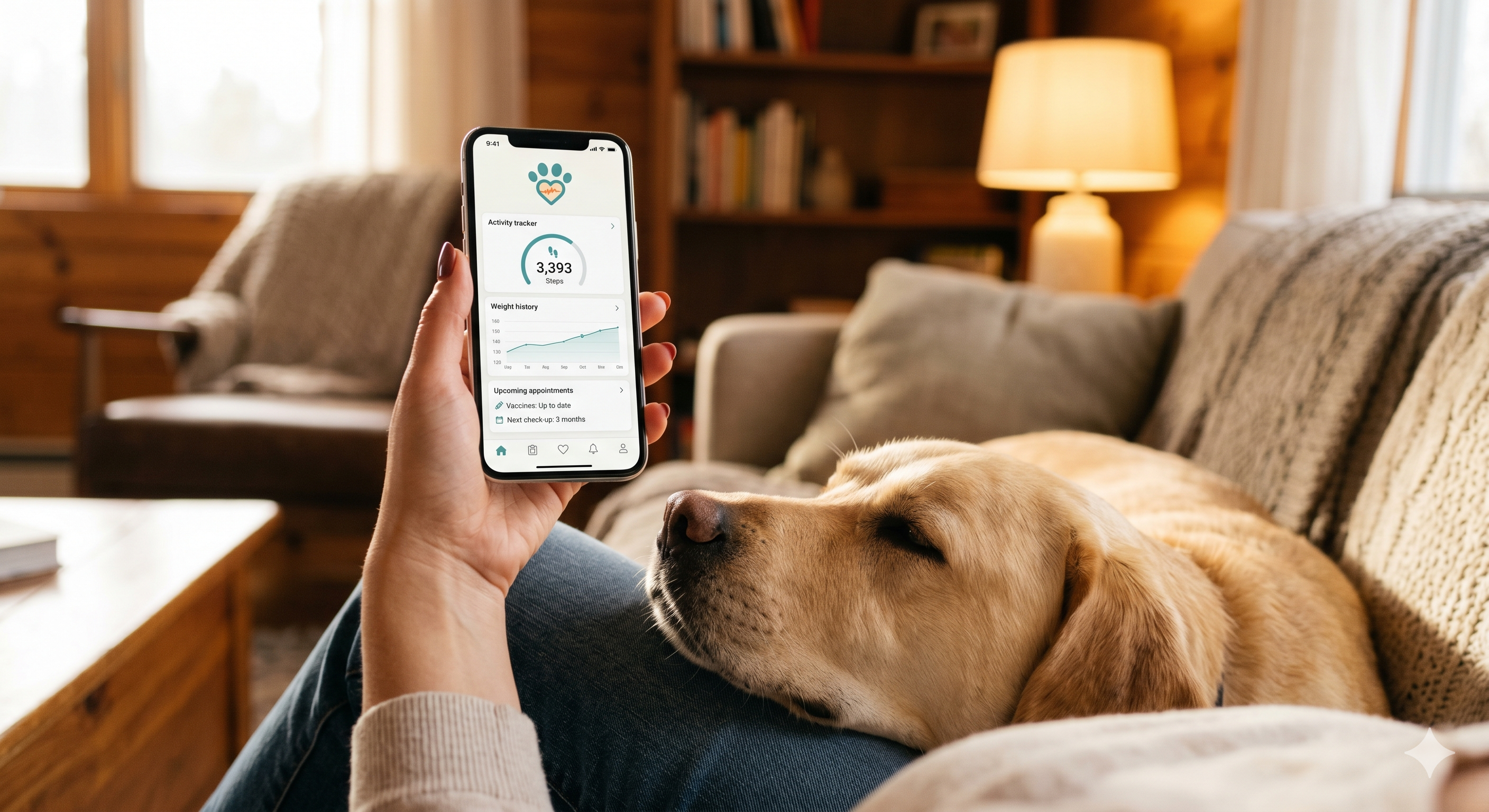
How to Keep Your Pet's Vet Records Organised
Most pet owners have their pet's medical history spread across at least four or five places: a folder of paper records from an old clinic, a PDF buried in an email somewhere, a note in their phone, a patient portal they haven't logged into in two years, and a vaccination certificate in a drawer.
For most of the time, that's fine. The problem is the situations where it isn't.
When scattered records become a real problem
Emergency visits
When your dog eats something they shouldn't or your cat is in sudden distress, you're often at an emergency clinic you've never been to before. The first thing they'll ask is what medications your pet is on, whether they have any known conditions, and whether they've had any previous reactions to anaesthesia.
If you're digging through old emails in a waiting room at midnight, you won't have good answers. A complete, accessible record lets the vet make better decisions faster.
Switching vets
People move. Vets retire. Clinics close or change ownership. If your previous clinic's system is no longer accessible, you may have no record of years of care. A new vet seeing a pet with no history has to start over, repeating tests and making decisions without context on chronic conditions.
Pet insurance claims
Pet insurance underwriters increasingly require detailed treatment history, especially when conditions appear in previous records. Gaps in documentation can result in claims being denied as pre-existing, even when that characterisation is debatable. Your records are your evidence.
Boarding and grooming
Most reputable boarding facilities require proof of current vaccinations before they'll accept your pet. Having that record immediately accessible, rather than calling the vet clinic and waiting for an email, is a small thing that adds up over time.
What belongs in a complete pet health record
| Category | What to include |
|---|---|
| Basic profile | Species, breed, date of birth, sex, weight, microchip number |
| Vaccination history | Each vaccine, date given, next due date |
| Vet visit notes | Date, clinic, vet name, reason for visit, diagnosis, treatment, follow-up |
| Medications | Name, dosage, frequency, start date, prescribing vet |
| Known conditions | Diagnoses with dates: allergies, chronic conditions, previous injuries |
| Weight history | Weight at each visit or weigh-in, with date |
| Procedures | Surgeries, dental cleanings, X-rays, lab work with results |
| Specialist referrals | Reports from any specialist consultations |
One habit worth building: After every vet visit, ask for a printed or emailed copy of the visit summary before you leave. Most clinics will do it without hesitation. It takes one sentence to ask and gives you a permanent record that doesn't depend on their system staying accessible.
Paper vs. digital
Paper records
Paper has one genuine advantage: no login required. But it's easily lost, damaged, or destroyed. A folder of vet records in a flooded basement or house fire is gone for good. Paper records can't be searched, can't be sent to an emergency vet at midnight, and can't be seen by a caregiver who isn't physically present.
Digital records
Digital records are searchable, shareable, and accessible from any phone. A photo or PDF stored in a reliable app takes seconds to pull up from a waiting room. It can be shared instantly with a new clinic, a boarding facility, or a family member caring for your pet while you travel.
The practical approach is to maintain both: keep originals if you have them, but treat the digital copy as your working record. It's the one you'll actually use.
Clinic patient portals
Many vet clinics now offer patient portals where you can view visit history and download records. These are useful as a source, but not reliable as a destination. They're only as complete as the clinic's record-keeping, and they become inaccessible when you switch clinics, the clinic closes, or the portal system changes.
Download records from clinic portals and keep them somewhere you control. Don't treat the portal as your archive.
Sharing with family and caregivers
If anyone else is involved in your pet's care, they need access to the same information you have. This matters most for current medications and known conditions.
Sending someone a photo of a document works once, but falls apart as things change. When you add a new medication, the old photo is wrong. When you visit the vet, the caregiver doesn't have the updated notes. Real-time shared access, where everyone automatically sees the current state, is the only approach that holds up in practice.
Before vet appointments
Having organised records makes you a more effective advocate in the consulting room. Vets typically have 15 to 20 minutes per appointment. Walking in with a clear summary of current medications, recent symptoms, and relevant history makes that time go further.
Some apps let you generate a health summary that you can email to a new clinic before the first appointment. For pets with complex or chronic conditions, this can save significant time and ensure nothing important gets missed.
Checklist
- Basic profile including microchip number
- Full vaccination history with next due dates
- Notes from every vet visit
- Current medications with dosages and prescribing vet
- All known diagnoses and conditions with dates
- Weight history
- Records from any specialists or emergency clinics
- Digital copies of all paper documents
- Shared access for anyone else who cares for your pet
Your pet's complete health history, always with you
Log vet visits, scan reports with your camera, track vaccinations, and share access with your family. All in one place with Pett.